


10 Effective Ways to Gain Weight in a Healthy and Sustainable Way

While weight loss dominates most health conversations, many people struggle with the opposite challenge—gaining weight. Whether you’re naturally underweight, recovering from an illness, or simply aiming to build muscle, putting on healthy weight can be just as difficult as losing it. But not all weight gain is beneficial

Gaining fat without focus on nutrition can lead to long-term health problems. That’s why this guide covers 10 effective, healthy strategies to help you gain weight safely and sustainably—without relying on junk food or quick fixes.

Weight Gain In 10 Simple Ways

When we talk about health and fitness, most people immediately think about weight loss. But for many, the challenge is the opposite—gaining weight. Whether due to a high metabolism, genetics, or medical reasons, being underweight can affect your energy, immunity, and overall health.

But here’s the catch: not all weight gain is healthy. Eating junk food might help you gain weight, but it also puts you at risk of lifestyle diseases. The key is to gain weight in a healthy, balanced, and sustainable way.

1. Eat More Calories Than You Burn for Healthy Weight Gain

To gain weight, your body must be in a caloric surplus, meaning you consume more calories than you burn each day. Your body uses calories for basic functions (like breathing and digestion) and physical activity. If you consistently eat more than you expend, the excess calories are stored—ideally as muscle when paired with strength training.

Start by calculating your Total Daily Energy Expenditure (TDEE) using an online calculator. Aim to eat 300–500 extra calories per day for slow weight gain or 700–1,000 for faster results. Track your intake and adjust as needed to ensure you’re making consistent progress.

Protein-rich meal for muscle gain

2.Eat More Frequently Throughout the Day for Healthy

Eating more frequently throughout the day helps you consume more calories without feeling overly full at each meal. Instead of sticking to the standard three meals, aim for 5–6 smaller meals or snacks spread evenly throughout the day. This approach keeps your energy levels steady and makes it easier to reach your daily calorie goals.

Include a mix of protein, healthy fats, and complex carbs in each meal to support muscle growth and overall health. Frequent eating also helps boost your metabolism and prevents long gaps between meals that could lead to muscle breakdown or unintentional calorie deficits.

Person lifting weights in a gym

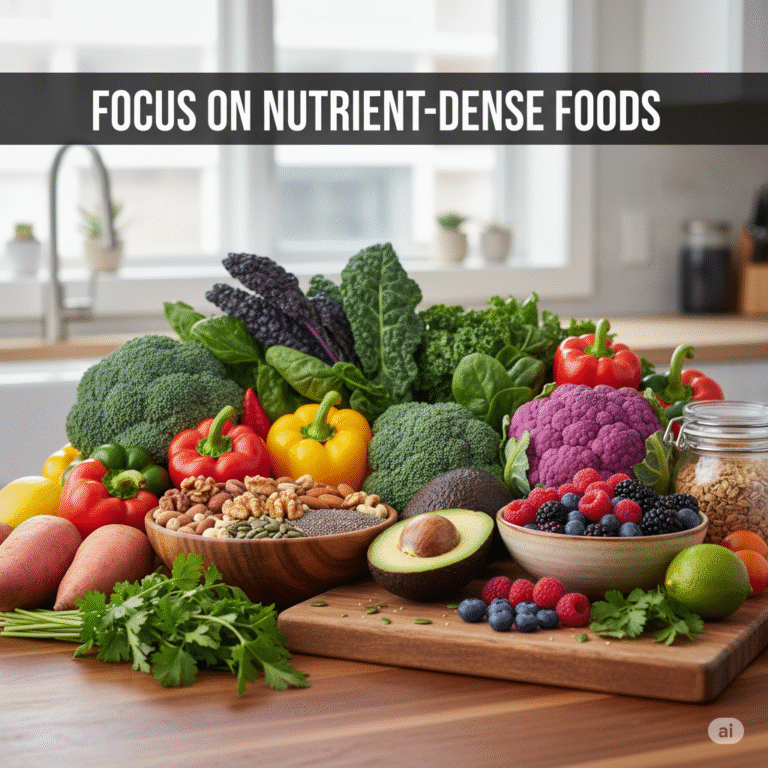
3. Focus on Nutrient-Dense Foods for Healthy Weight Gain

When trying to gain weight, it’s important to choose nutrient-dense foods—those rich in calories, vitamins, minerals, and other essential nutrients. Instead of filling up on empty calories like sugary snacks or processed junk food, focus on whole foods that provide quality fuel for your body. Examples include nuts, seeds, avocados, whole grains, lean meats, dairy, and dried fruits.

These foods not only help you increase your calorie intake but also support muscle growth, hormone balance, and immune function. Prioritizing nutrient-dense meals ensures you’re gaining healthy weight—not just fat—while giving your body what it truly needs to thrive.

Smoothie with peanut butter and banana

4. Prioritize Protein Intake for Healthy

Protein is essential for building and repairing muscle, making it a key nutrient when you’re trying to gain healthy weight. Aim to include a good source of protein in every meal and snack, such as eggs, chicken, fish, lentils, Greek yogurt, or protein shakes. Consuming enough protein helps ensure that the extra weight you gain comes from lean muscle, not just fat.

For most people aiming to gain weight, a target of 1.6–2.2 grams of protein per kilogram of body weight is ideal. Pair protein with carbs and fats for balanced meals that support both energy levels and muscle growth.

Nut butter on whole-grain bread

5.Strength Train Regularly for Healthy Weight Gain

To gain healthy weight, especially in the form of lean muscle, strength training is essential. Lifting weights stimulates muscle growth by creating small tears in the muscle fibers, which then repair and grow stronger. Focus on compound exercises like squats, deadlifts, bench presses, and rows, which target multiple muscle groups and promote efficient muscle gain.

Aim to train at least 3–5 times per week, gradually increasing the weight and intensity. Consistency is key—pair your workouts with proper nutrition and rest to maximize results. Strength training ensures that the weight you gain enhances your physique, strength, and overall fitness.

Person eating multiple small meals

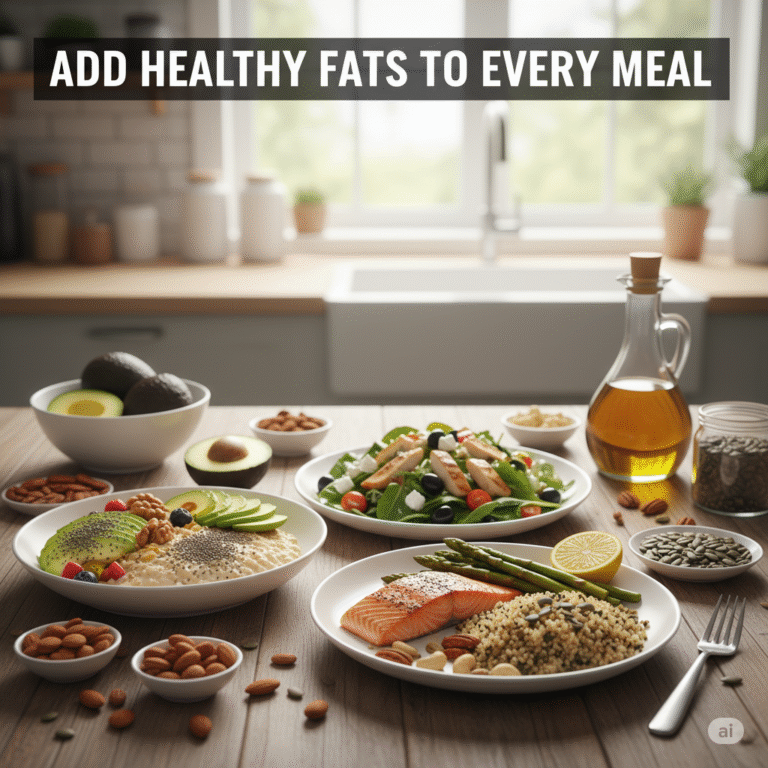
6. Add Healthy Fats to Every Meal for Healthy

Healthy fats are an excellent way to increase your calorie intake without eating large volumes of food. They’re calorie-dense, providing about 9 calories per gram—more than double that of carbs or protein. Including fats like avocados, nuts, seeds, olive oil, and fatty fish in every meal supports hormone production, brain health, and energy levels.

Plus, healthy fats help your body absorb fat-soluble vitamins (A, D, E, and K), which are crucial for overall wellness. Adding a handful of nuts to snacks or drizzling olive oil over your veggies can effortlessly boost your calorie intake in a nutritious way.

Assorted healthy snacks

7. Add Healthy Fats to Your Diet for Healthy Weight Gain

Adding healthy fats to your diet is one of the easiest and most effective ways to increase your calorie intake without having to eat huge portions. Unlike processed or saturated fats, healthy fats provide essential nutrients that support hormone balance, brain function, and overall energy levels. They’re calorie-dense, meaning a small amount can add a significant boost to your daily intake—perfect for those trying to gain weight in a healthy way.

Great sources of healthy fats include avocados, nuts, seeds, olive oil, coconut oil, and fatty fish like salmon or mackerel. You can easily add these to your meals without drastically changing your diet. For example, drizzle olive oil over salads, blend nut butter into smoothies, sprinkle seeds on oatmeal, or add avocado slices to your sandwiches.

Bodybuilder flexing muscles

8. Drink Your Calories Smartly for Healthy

Drinking your calories smartly is a powerful strategy for gaining weight—especially if you struggle with a small appetite. Liquids are easier to consume than large meals, and when made with the right ingredients, they can pack a big nutritional and caloric punch. Instead of filling up on sugary sodas or processed drinks, focus on high-calorie, nutrient-dense beverages that support healthy weight gain.

Homemade smoothies and shakes are perfect for this. You can blend ingredients like whole milk or plant-based alternatives, nut butters, oats, bananas, protein powder, and healthy oils (like flaxseed or coconut oil). These drinks are rich in calories, healthy fats, protein, and carbohydrates, helping you build muscle and increase energy without overeating solid food.

Fresh avocado and olive oil salad

9. Stay Consistent and Patient for Healthy Weight Gain

Staying consistent and patient is one of the most important parts of any healthy weight gain journey. Unlike fad diets or quick fixes, gaining weight the right way takes time. Your body needs a steady surplus of calories, proper nutrients, and regular strength training to build real muscle and maintain healthy fat levels. That doesn’t happen overnight—but it does happen with commitment.

Many people expect to see drastic results in just a couple of weeks, but healthy weight gain typically happens at a slower, steady pace—around 0.25 to 0.5 kg (0.5 to 1 pound) per week for most individuals. Tracking your progress through body measurements, photos, or how your clothes fit can be more motivating than just relying on the scale.

Nutritionist consulting a client

10. Get Professional Support if Needed for Healthy

Getting professional support can make a huge difference in your weight gain journey—especially if you’ve tried everything and still find it hard to gain weight. Sometimes, the challenge isn’t just about eating more; it may involve underlying factors like a fast metabolism, nutrient deficiencies, hormonal imbalances, or digestive issues. This is where seeking guidance from experts becomes valuable.

A registered dietitian or nutritionist can help you design a personalized meal plan that meets your specific calorie and nutrient needs. They can suggest the right balance of macronutrients, recommend supplements if necessary, and help you track your progress effectively. If your weight challenges are linked to medical conditions, a doctor or specialist can run tests to identify and address those issues early on.

Healthy high-calorie breakfast for weight gain

Weight Gain Healthily

Protein shake with milk and banana

Gaining weight in a healthy manner is primarily achieved through a sustained strategy that focuses on both diet and exercise. Fundamentally, you must consistently eat more calories than your body burns, creating a necessary energy surplus. This surplus should be fueled by nutrient-dense foods rather than empty calories, with a strong emphasis on prioritizing protein intake to support muscle growth, not just fat storage. To hit your calorie goals, it helps to eat more frequently throughout the day—often five to six small meals—and to add healthy fats like nuts, seeds, and avocados to increase the caloric density of your meals without increasing volume too much. 

Start Your Healthy Weight Gain Journey Today 💪

Gaining weight the right way isn’t about quick fixes—it’s about building lasting habits that make you stronger, healthier, and more confident. Now that you know 10 proven ways to boost your weight naturally, it’s time to take the first step.

Conclusion

Gaining weight in a healthy and sustainable way is a journey that requires patience, consistency, and the right strategy. It’s not just about eating more—it’s about fueling your body with the right nutrients, building strength, and supporting your overall health. By focusing on calorie-dense, nutrient-rich foods, incorporating healthy fats, drinking smart calories, and staying consistent with strength training, you set a solid foundation for long-term success.

Remember, everyone’s body responds differently. Some people may see changes quickly, while others may progress more gradually. What matters most is staying committed to your plan and not giving up when results take time. Tracking your progress beyond the scale—like noticing more energy, better endurance, or improved strength—can keep you motivated.

And if you ever hit a plateau or feel stuck, seeking professional support can give you the guidance and structure you need to break through barriers.

Most importantly, celebrate every step forward, no matter how small. Weight gain done the healthy way isn’t just about the number on the scale—it’s about becoming stronger, more confident, and healthier from the inside out. Your journey is unique, and your progress is worth every bit of effort.