10 Effective Ways to Overcome Overthinking
What Is Overthinking Its Types And Causes Along With Effective Ways To Reduce
WHAT YOU WILL FIND IN THIS BLOG
Have you ever found yourself replaying the same situation repeatedly in your mind. It often feels exhausting. You start questioning every decision, conversation, and choice, wondering if you could have done better. Overthinking traps you in cycles of doubt, fear, and hesitation. It prevents you from living in the present moment fully and peacefully. Everyone overthinks sometimes, but when it becomes constant, it harms your mental well-being deeply. The good news is that overthinking can be managed with awareness, practice, and simple lifestyle changes. This blog will explore ten effective ways to stop overthinking consciously. Each method is practical, realistic, and designed to help you calm your mind. Whether you are a student, professional, or homemaker, these tips will help you regain focus. You will learn how to break repetitive thoughts and replace them with peaceful, productive patterns instead.
When Thoughts Spiral Too Much
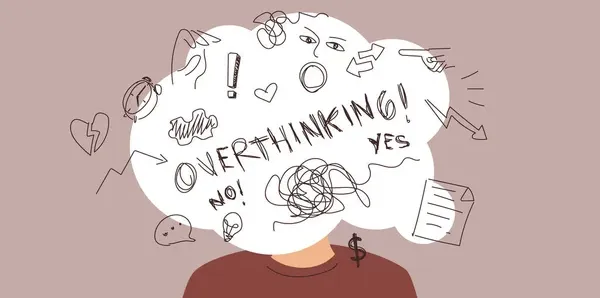
Overthinking is described as draining, unproductive mental loop that keeps your mind stuck on the Asame worries or decisions
Different Thinking Traps
Rumination (Past-Focused Overthinking
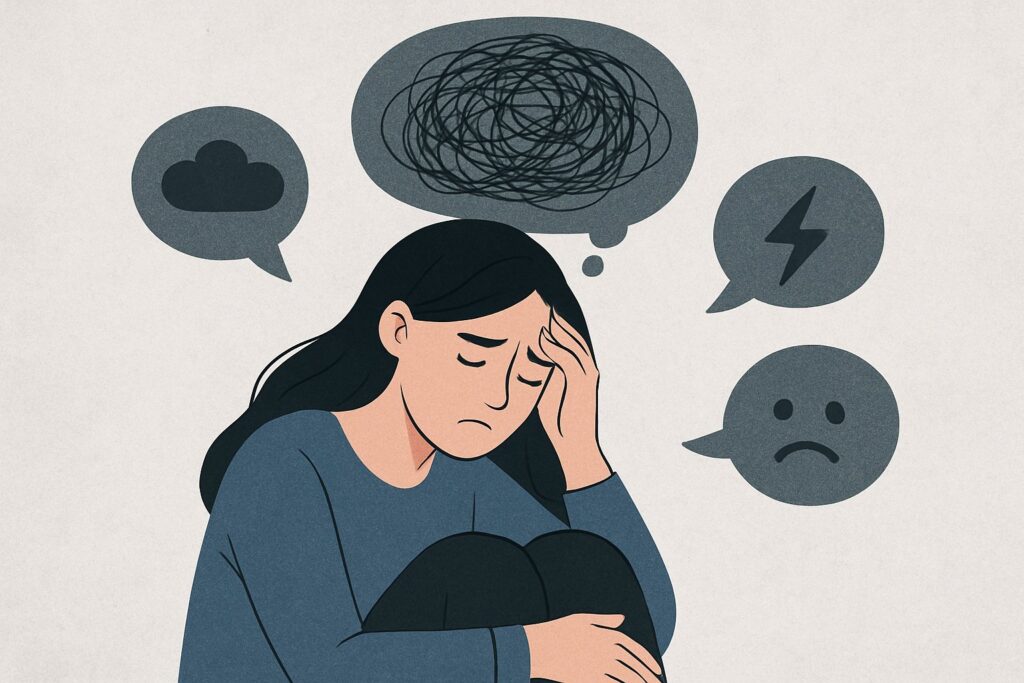
Overthinking about the past is a mental loop of passively and repetitively focusing on past negative events, errors, or feelings of distress. It dwells on the causes and implications of problems without actually seeking solutions or taking any constructive action. This form of overthinking commonly leads to self-blame, regret, and the deepening of depressed or sad moods.

Worry / Future Tripping (Future-Focused Overthinking
This is the process of excessively scrutinizing hypothetical future scenarios, concentrating only on the potential negative outcomes. It involves a non-stop chain of “what if” questions that creates intense Worry about the future and paralyzes decision-making. Future Tripping leads to feeling perpetually restless and overwhelmed by uncontrollable events in a time that is not the present.
Why We Think Too Much
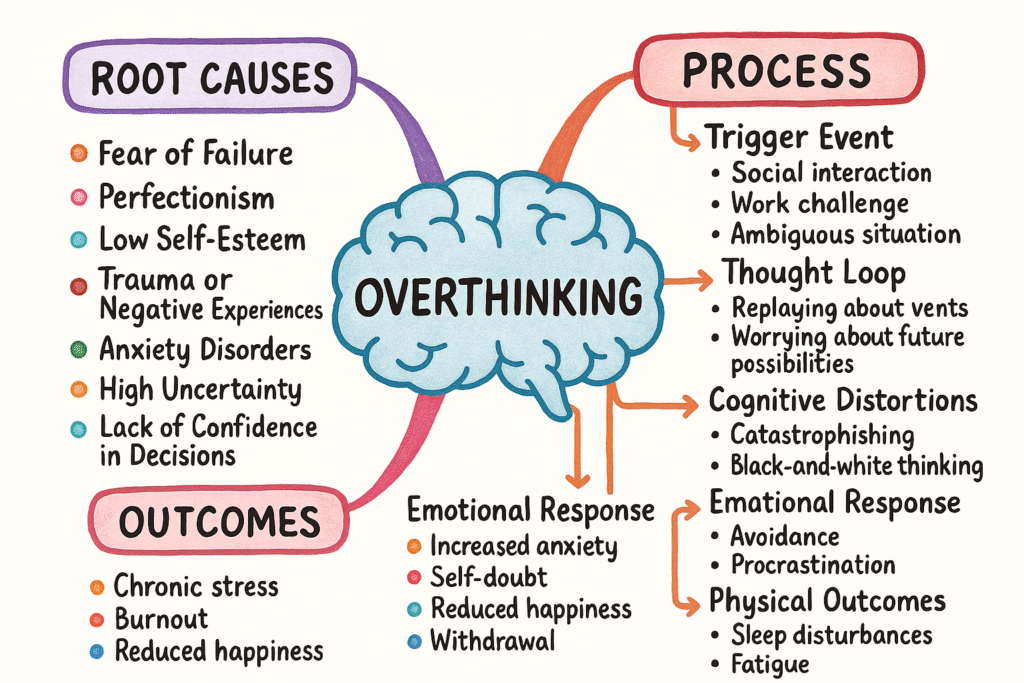
Overthinking happens due to a mix of personal fears, habits, and outside pressures. Let’s understand these causes better
Internal Causes of Overthinking
Fear of Failure:
Many people overthink because they fear making mistakes or facing disappointment from others. This fear creates anxiety.Perfectionism:
Striving to make everything flawless increases mental pressure and self-doubt. Small imperfections feel unbearable, fueling overthinking deeply.Past Negative Experiences:
Painful memories or traumatic events cause the brain to replay similar situations repeatedly, searching for safety. It’s protective.Lack of Self-Confidence:
When people don’t trust their decisions, they constantly seek reassurance and validation from others. It increases worry unn
External Causes of Overthinking
Uncertainty About the Future:
Not knowing what lies ahead makes people overanalyze every possibility to prepare mentally for potential outcomes.Information Overload:
Exposure to too much news, opinions, and data confuses the brain. It struggles to process information calmly anymore.Social Comparison:
Comparing your achievements, lifestyle, or progress with others creates self-doubt and pressure. It encourages unnecessary overthinking patterns.Excessive Responsibilities:
Handling too many tasks or roles at once overwhelms your thoughts. It makes decision-making stressful and difficult constantly.Unresolved Emotions:
Bottled-up feelings like guilt, regret, or anger keep resurfacing. They trigger repetitive thoughts and emotional turbulence frequently.Lack of Mental Rest:
A tired, overstimulated mind cannot process emotions properly. Overthinking becomes the brain’s default mode during exhaustion.
10 Ways to Stop Overthinking
Practical Mind Techniques
Recognize When You’re Overthinking:
The first step to stop overthinking is noticing it early. Awareness always brings clarity and control immediately. When you identify repetitive thoughts, gently pause and redirect your attention toward something productive or peaceful activity.Focus on What You Can Control:
Many thoughts revolve around situations beyond your influence. Identify what’s controllable and what’s not. Direct your energy toward actionable steps, not imagined problems, to reduce unnecessary stress and confusion daily.Practice Deep Breathing:
Controlled breathing helps slow down racing thoughts by calming the nervous system gently and effectively. Inhale slowly for four seconds, hold briefly, and exhale deeply. Repeat until your mind feels lighter and peaceful.Limit Your Thinking Time:
Set a timer for thinking about specific problems instead of allowing endless rumination. Ten minutes works best. Once time’s up, write possible solutions, decide on one, and move forward confidently without further overanalyzing everything unnecessarily
Emotional & Lifestyle Remedies
Journal Your Thoughts Daily:
Writing your feelings helps organize thoughts and reduces mental clutter. Journaling offers emotional release and clarity, helping you reflect instead of reacting impulsively.
Practice Mindfulness and Meditation:
Mindfulness trains you to stay present instead of worrying about the past or future. A few minutes of calm observation daily can reduce stress and overthinking.
Avoid Negative Company:
Stay around positive, supportive people who inspire and encourage you. Uplifting company builds motivation and reduces emotional triggers that cause mental restlessness.
Take Breaks and Rest Properly:
A tired mind overthinks more. Take short breaks, listen to music, or go for a walk to refresh yourself.
Seek Professional Help if Needed:
If overthinking leads to anxiety or sleeplessness, reach out to a therapist. Professional support helps rebuild calmness and clarity.
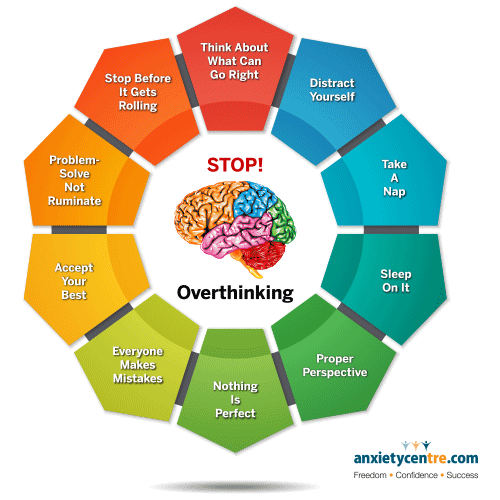
CONCLUSION
When you look at all the causes—f++++++++++++++++rom being a Perfectionist to just getting Lack of Mental Rest—you see one big theme: we all think we can control everything. Rumination tricks you into thinking you can fix the past, and worry convinces you that you can prevent all the bad stuff that might happen later.
But now you have ten solid tools, like Practicing Deep Breathing and setting a Limit for Your Thinking Time. The key to stopping overthinking isn’t finding the perfect answer in your head; it’s about taking conscious action and doing it consistently. Use these steps to shift your mind from endless worrying to just being peacefully present.
Time to Act: Pick Your First Habit Today!
Don’t just read about calming your mind—actually do it. Look at the list and choose one simple thing to start with, like setting a timer for your worries or Journaling Your Thoughts Daily. Commit to trying that one thing for the next three days. Which step are you starting with? Tell us in the comments so we can all help each other move from thinking to doing!
Seo Only is proudly powered by WordPress